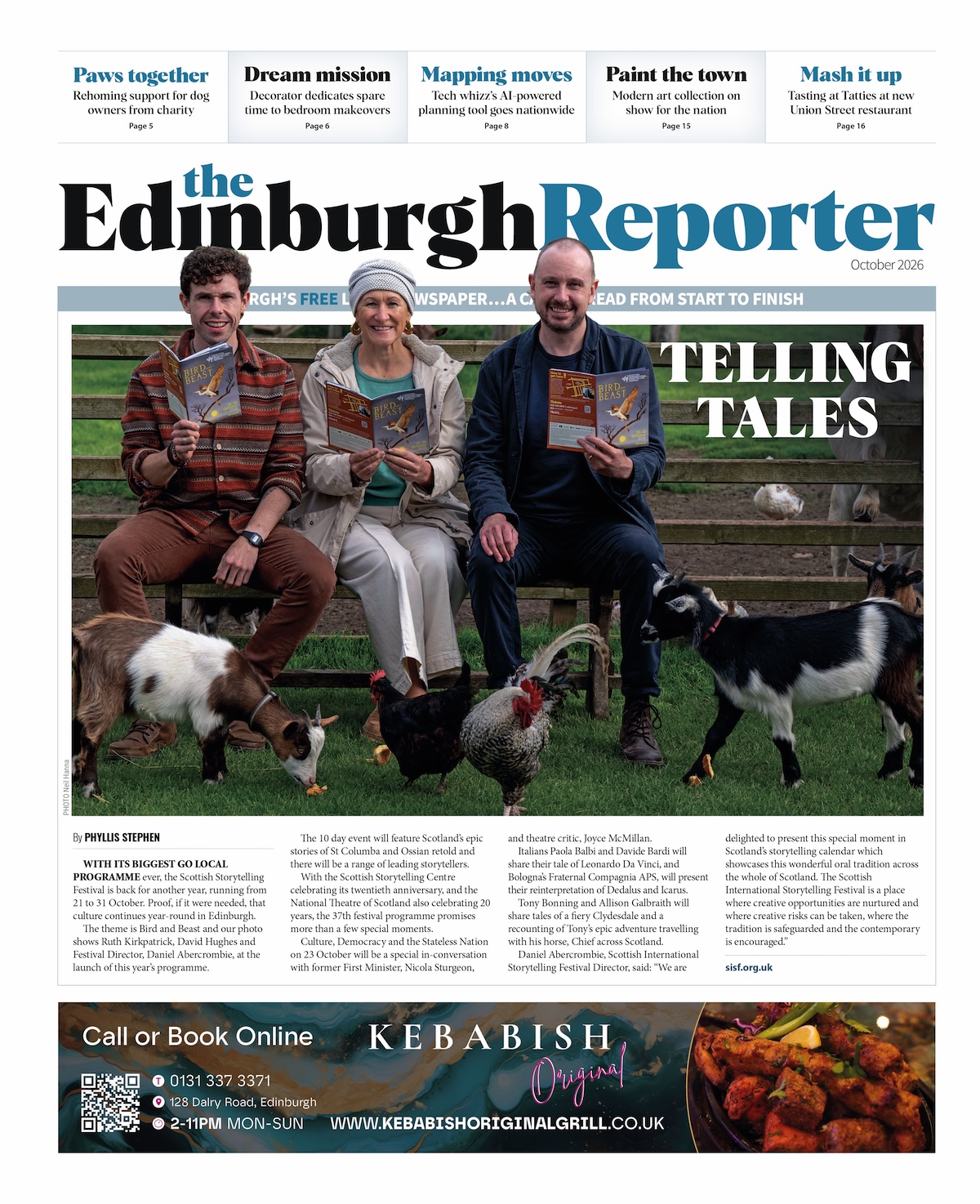
Edinburgh is one of the most recognisable cities in the UK, known for its history, architecture, festivals and cultural reputation. Every year, millions of visitors travel to the Scottish capital because of its historic landmarks, creative events and well-known public spaces. Behind much of that activity, however, is a network of organisations, charities and community groups that rely heavily on external funding to continue operating.
As operational costs continue to rise and competition for grants intensifies, funding remains an important part of how cultural and community organisations survive in one of the UK’s busiest tourist destinations. The financial pressure is felt at an individual level too, with many of the city’s artists, performers and community workers taking on side hustles to supplement their income while continuing to contribute to Edinburgh’s cultural life.
Preserving Edinburgh’s Historic Environment
Edinburgh’s historic identity is one of the city’s defining features. Areas such as the Old Town and New Town attract visitors from around the world because of their architecture, heritage and historical significance. Preserving these spaces, however, requires ongoing maintenance and specialist restoration work, which can be extremely expensive.
Lottery-backed heritage funding has supported projects involving restoration, conservation and accessibility improvements across the city. Many older buildings require structural repairs, environmental upgrades and long-term preservation work simply to remain safe and accessible to the public. In some cases, organisations managing historic properties operate with limited commercial income while still being responsible for maintaining culturally important spaces.
Heritage funding, therefore, plays a vital role not only in protecting Edinburgh’s appearance but also a vital role in helping to maintain public access to buildings and sites that are part of the city’s identity and therefore the people’s identity. Museums, heritage centres and conservation projects all contribute to preserving local history while also supporting tourism and education.
Historic preservation also benefits businesses connected to Edinburgh’s tourism economy. Hotels, restaurants, retailers and entertainment venues all benefit from the city’s international reputation as a cultural destination. Investment into heritage projects can therefore have wider economic effects that extend beyond the organisations receiving grants directly.
The Importance of Arts Funding in Edinburgh
Edinburgh’s reputation as a cultural city is closely connected to theatre, literature, comedy and live performance. The city hosts internationally recognised festivals each year, but the creative sector in Edinburgh exists far beyond seasonal tourism. Smaller theatres, galleries, arts organisations and independent venues continue operating throughout the year, often with far smaller budgets than people expect.

Community Organisations Across the City
Even though Edinburgh’s tourism and cultural sectors receive significant attention from people all around the world, lottery-backed funding also supports smaller community organisations operating within residential areas across the city. Volunteer-led groups, wellbeing initiatives and local charities often rely on grants to help cover operational costs, venue hire and outreach activities.
These organisations may work on projects connected to mental wellbeing, social support, community engagement or public activities designed to reduce isolation. Many local initiatives operate on relatively small budgets while serving communities that depend heavily on accessible local services.
Community centres and shared public spaces also benefit from funding support. Maintaining these facilities can be difficult for smaller organisations managing rising utility bills and maintenance costs. Grants can help improve accessibility, update facilities, and keep public spaces available for residents throughout the year.
Tourism and Public Investment
Tourism is one of Edinburgh’s largest industries, and the city’s cultural reputation plays a major role in attracting visitors throughout the year. Historic attractions, festivals, galleries and public events all contribute to Edinburgh’s international profile.
Because of this, investment in cultural and heritage projects is often connected to wider economic planning. Maintaining public spaces, restoring historic buildings, and supporting arts organisations can help strengthen tourism while also encouraging business activity across the city.
Restaurants, cafés, hotels and independent shops all benefit from the visitor economy created around Edinburgh’s cultural reputation. Public investment in heritage and creative infrastructure, therefore, supports both tourism and the wider local economy.
At the same time, balancing tourism with the needs of residents continues to be a challenge. Some communities within Edinburgh have raised concerns around housing pressures, overcrowding and the impact of seasonal tourism on daily life. This has created wider discussions around how funding and development should be managed across the city in the future.
Challenges Facing Smaller Organisations
Although funding opportunities exist across Edinburgh, competition for grants remains extremely high. Many organisations are applying for support from the same limited funding pools while dealing with increasing operational pressure and rising costs.
Smaller groups often face particular difficulties because they may not have dedicated fundraising teams or large administrative resources. Preparing funding applications, managing reporting requirements and maintaining long-term financial planning can be difficult for volunteer-led organisations already working with limited time and staffing.
The Long-Term Importance of Funding
For many organisations in Edinburgh, lottery funding is not simply additional financial support but part of their long-term survival strategy. Rising costs connected to property, staffing and operations mean that many community groups and cultural venues could struggle without access to grants and public funding programmes.
Funding also allows organisations to plan future projects rather than focusing only on short-term survival. Restoration work, public programming and community outreach initiatives often require long-term investment that smaller organisations could not manage independently.
This is especially important in a city like Edinburgh, where tourism and public expectations create pressure to maintain high-quality public spaces and cultural experiences throughout the year.
Conclusion
Lottery funding continues to influence Edinburgh in many different ways, supporting heritage projects, arts organisations and community initiatives across the city. From restoring historic buildings and maintaining cultural venues to helping smaller charities continue operating, funding support contributes to many of the spaces and services that shape life in the Scottish capital.
Although financial pressures and competition for grants continue to increase, external funding remains an important part of maintaining Edinburgh’s cultural identity and community infrastructure. As the city continues balancing tourism, heritage preservation and local development, funding programmes are likely to remain closely connected to the future of public life across Edinburgh.